
Whether an injury happened during a run on the Conestoga Greenway Trail, a weekend game, a fall, or a demanding shift at work, recovery can feel frustratingly uneven. Pain may improve before movement feels normal again. For people looking into IASTM, ASTYM, and Cupping Therapy Near You, it helps to understand how scar tissue, strength, and controlled mobility can each influence the return to everyday activity. Recovery is not about forcing an injured area to feel exactly as it did before. It is about protecting healing tissue while gradually restoring the movement needed for walking Lancaster’s sidewalks, lifting groceries, working comfortably, enjoying local recreation, or returning to sport. The safest plan depends on the injury, the stage of healing, current symptoms, and the person’s goals.
Why Recovery Can Feel Stiff After An Injury
Stiffness after an injury can have several causes. Swelling may make a joint feel full or blocked. Pain can lead the body to guard an area by reducing how much it moves. Time spent resting, bracing, or avoiding a painful task can also leave muscles and joints less accustomed to normal activity. For example, an ankle sprain may hurt less after a few weeks but still feel tight when stepping off a curb or going downstairs. A shoulder that was protected after an injury may feel restricted when reaching into a cabinet. That stiffness does not automatically mean the tissue has been damaged again. It can be a sign that movement, strength, and confidence have not yet caught up with healing.
What Scar Tissue Does During Healing
Scar tissue is repair tissue. When the body is healing after damage to skin, muscle, tendon, or other connective tissue, it uses collagen and other materials to help close, support, and rebuild the area. The body’s wound-healing process includes inflammation, repair, and remodeling, with remodeling being the longest phase, during which healing tissue continues to change. Early repair tissue is not always organized like the tissue that existed before the injury. It may feel less flexible or less tolerant of pulling and loading. Over time, appropriate movement and progressive activity can help a recovering area become better prepared for normal demands. Healing timelines vary widely, particularly after surgery, fractures, tendon injuries, or injuries involving significant swelling.
When Scar Tissue May Limit Movement
A healing scar may be noticeable without causing a serious problem. However, some people experience pulling, sensitivity, reduced range of motion, or discomfort during specific tasks. A restriction near a joint can also change how nearby muscles work. Someone may compensate by limping, hiking a shoulder, or avoiding a full bend, which can place extra demand on other areas. Persistent functional limits deserve an assessment rather than aggressive self-treatment. Severe pain, sudden weakness, numbness, a major increase in swelling, redness, warmth, drainage, or a wound that is not healing should be evaluated promptly. Do not apply forceful pressure, scraping tools, or intense stretching over a fresh wound or recently repaired structure unless a qualified clinician has advised it.
Mobility Is More Than Stretching
Flexibility describes how far a muscle or joint can move. Mobility is the ability to control movement through a useful range. A person may be able to stretch deeply but still struggle to squat, climb steps, reach overhead, or balance on one leg because those tasks also require strength, coordination, balance, and joint control.
What Useful Mobility Looks Like
- Comfortably turning to check traffic while walking or driving.
- Stepping down with control rather than avoiding one side.
- Reaching, carrying, bending, and lifting with confidence.
- Returning to work, yard tasks, sports, or hobbies without a sharp rise in symptoms.
How Movement Supports A Gradual Return To Activity
- Protect the healing area. Follow restrictions from a physician or surgeon and avoid demands that clearly exceed the tissue’s current capacity.
- Restore comfortable motion. Begin with gentle, tolerable movement rather than pushing through sharp pain.
- Build basic strength. Add low-load exercises as motion and control improve.
- Practice functional tasks. Rehearse movements that match daily life, work, recreation, or sport.
- Increase demand slowly. Adjust one factor at a time, such as distance, resistance, speed, repetitions, or duration.
The Role Of Tendons And Connective Tissue
Tendons connect muscles to bones and help transfer force during movement. They can be irritated by sudden overload or repetitive stress, and a rapid return to high-demand activity may aggravate symptoms. NIH research on how injured tendons heal and form scar tissue also highlights why the right timing and amount of exercise can differ from one person to another. Pain is important information, but it does not reveal every detail about the condition of a tendon or joint. A clinician can consider the injury history, movement pattern, strength, swelling, daily demands, and any warning signs when recommending the next step.
Hands-On Care And Exercise Often Work Together
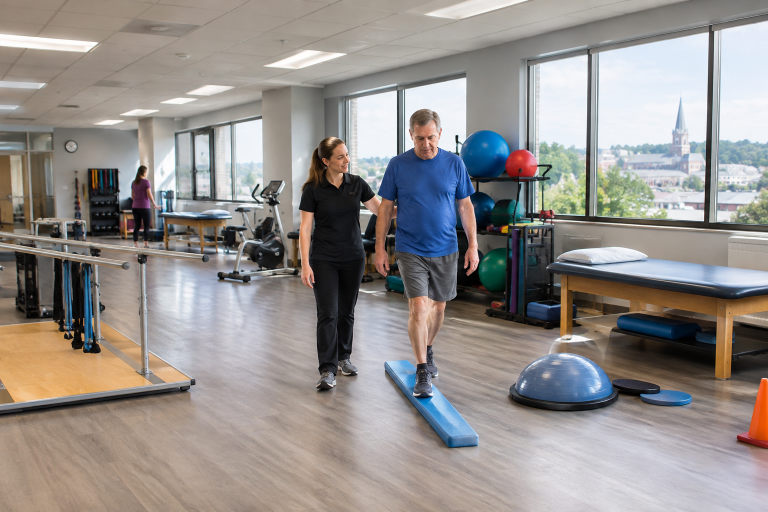
Hands-on techniques may be used to address soft-tissue stiffness, improve comfort, or help a person move more easily before exercise. They are generally most useful when paired with active rehabilitation. Exercise helps maintain improvements in motion while building the strength and coordination needed for lasting function. There is no universal scar-tissue routine. The right approach should follow an assessment of the affected tissues, healing stage, surgical precautions when applicable, and meaningful goals for the individual.
Simple Ways To Track Progress At Home
- Write down which daily activities feel easier, harder, or more comfortable.
- Notice changes in swelling, motion, soreness, and confidence.
- Compare progress from week to week instead of judging recovery by one difficult day.
- Pay attention to whether symptoms settle after activity or continue to build.
- Share unusual or worsening changes with a qualified health professional.
Common Mistakes That Can Slow Recovery
- Doing too much too soon because pain temporarily improves.
- Relying only on stretching while overlooking strength and movement control.
- Stopping all movement for an extended period without medical direction.
- Using aggressive pressure over newly healing tissue.
- Following an exercise plan designed for a different injury or person.
- Assuming soreness always proves progress, or that no soreness means exercise is ineffective.
Conclusion
Scar tissue, stiffness, and reduced mobility can make recovery after an injury feel unpredictable, but a gradual plan can restore useful movement without rushing the healing process. Depending on the injury and the stage of recovery, everyday activities such as walking, bending, lifting, or reaching may require more time and careful adjustments. In Lancaster, Pennsylvania, the goal is not simply to move more. It is to move well enough to handle the activities that matter most while building strength, flexibility, balance, and confidence at a manageable pace. Following an appropriate rehabilitation plan, paying attention to changes in symptoms, and allowing time for rest can help support steady progress. It is also important to avoid forcing movements that cause significant pain or discomfort. When progress stalls or symptoms worsen, professional guidance can help identify a safer next step and determine whether the recovery plan needs adjustment. With consistent effort and realistic expectations, individuals can work toward improving daily function and returning to meaningful activities as safely as possible.
